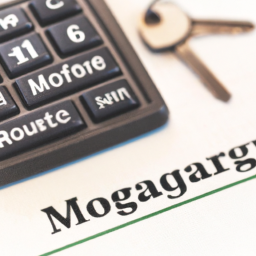
Are you dreaming of owning your own home but worried about the daunting task of securing a mortgage? Look no further than Pre-qualify For a Mortgage, your trusted partner on the path to homeownership. Our dedicated team is here to simplify the process for you and empower you to make informed decisions. Whether you’re a first-time buyer or looking to refinance, our user-friendly platform and personalized guidance will provide you with a clear picture of your mortgage eligibility. With a network of trusted lenders and a commitment to transparency, convenience, and your dream, we’re ready to help you take the next step towards owning your own home.
Understanding Pre-Qualification
What is Pre-Qualification?
Pre-qualification is the process of determining how much money a potential homebuyer may be eligible to borrow for a mortgage loan. It involves providing basic financial information to a lender or mortgage professional, who will then assess your financial situation and provide an estimate of the loan amount you may qualify for. Pre-qualification is typically an initial step in the homebuying process and is not a guarantee of loan approval.
Why is Pre-Qualification Important?
Pre-qualification is an important step in the homebuying process as it helps you understand your budget and narrow down your options. By knowing how much you can afford, you can focus your search on properties within your price range. Pre-qualification also gives you a clear understanding of your financial standing, allowing you to make informed decisions and plan for the future.
Benefits of Pre-Qualification
Pre-qualification offers several benefits to potential homebuyers. Firstly, it helps you determine your budget and set realistic expectations about the type of home you can purchase. Additionally, pre-qualification gives you a stronger position when making offers on homes, as sellers often prefer buyers who have already been pre-qualified. It also provides you with an opportunity to identify and address any potential issues or obstacles that may arise during the mortgage application process.
Requirements for Pre-Qualification
To pre-qualify for a mortgage, you will need to provide certain documentation and information to the lender or mortgage professional. This typically includes your income, employment history, credit score, and other financial details. The exact requirements may vary depending on the lender and the type of mortgage you are applying for. It is important to gather all the necessary documents and be prepared to provide accurate and complete information during the pre-qualification process.
Exploring Mortgage Options
Types of Mortgages
There are several types of mortgages available to potential homebuyers. It is important to understand the different options and choose the one that best suits your financial situation and long-term goals.
Fixed-Rate Mortgages
A fixed-rate mortgage is a type of mortgage where the interest rate remains the same throughout the loan term. This means that your monthly payments will also remain constant over time. Fixed-rate mortgages offer stability and predictability, making it easier for homeowners to budget and plan for the future.
Adjustable-Rate Mortgages
An adjustable-rate mortgage (ARM) is a type of mortgage where the interest rate may change periodically. Typically, the initial interest rate is lower than that of a fixed-rate mortgage, but it can increase or decrease over time based on market conditions. ARMs can be a good option for homebuyers who plan to stay in their homes for a shorter period or expect changes in their financial situation in the future.
Government-Backed Mortgages
Government-backed mortgages are loans that are insured or guaranteed by government agencies such as the Federal Housing Administration (FHA), the Department of Veterans Affairs (VA), or the United States Department of Agriculture (USDA). These mortgages often have more flexible eligibility requirements and lower down payment options, making them accessible to a wider range of borrowers.
No Down Payment Mortgage Programs
What are No Down Payment Mortgage Programs?
No down payment mortgage programs are designed to help potential homebuyers purchase a home without having to make a down payment. These programs may be offered by specific lenders or government agencies and can be a viable option for individuals who do not have the necessary funds for a down payment.
Pros and Cons of No Down Payment Mortgages
No down payment mortgages offer several advantages, including the ability to purchase a home without having to save for a down payment. This can be particularly beneficial for first-time homebuyers or individuals who are unable to accumulate a significant savings. However, it is important to consider the potential drawbacks of these programs, such as higher interest rates or the need for additional mortgage insurance.
Eligibility for No Down Payment Mortgages
Eligibility requirements for no down payment mortgage programs may vary depending on the specific program and lender. Generally, borrowers will need to meet certain criteria such as credit score, income, employment history, and debt-to-income ratio. It is important to research and understand the specific requirements of each program before applying.
Alternative Options to No Down Payment
Low Down Payment Programs
Low down payment programs are mortgage options that require a smaller down payment compared to traditional mortgages. These programs typically require a down payment of around 3-5% of the purchase price. While it may still require some savings, low down payment programs can be more achievable for individuals who do not have enough funds for a larger down payment.
Down Payment Assistance Programs
Down payment assistance programs are designed to provide financial assistance to homebuyers who need help with their down payment or closing costs. These programs may be offered by state or local government agencies, non-profit organizations, or through employer assistance programs. Down payment assistance programs can help bridge the gap for individuals who are close to being able to afford a down payment but need some additional support.
Gift Funds for Down Payment
Some homebuyers may be eligible to use gift funds towards their down payment. Gift funds are funds given by family members or close relatives to help with the purchase of a home. It is important to check with your lender and understand their guidelines for accepting gift funds, as there may be specific requirements and documentation needed.
Using Home Equity for Down Payment
If you currently own a home with equity, you may be able to use that equity as a down payment for your new home. This option is commonly known as a “home equity loan” or a “cash-out refinance.” It is important to carefully consider the potential risks and benefits of using your home equity for a down payment and seek advice from a mortgage professional before making a decision.
Credit Scores and Pre-Qualification
Importance of Credit Scores
Credit scores play a crucial role in the mortgage pre-qualification process. Lenders use credit scores to assess your creditworthiness, determine the interest rate you may qualify for, and evaluate the overall risk of offering you a mortgage loan. A higher credit score generally indicates a lower risk borrower and may result in more favorable loan terms.
Minimum Credit Score Requirements
The minimum credit score requirements for pre-qualification may vary depending on the lender and the type of mortgage you are applying for. While some lenders may have stricter requirements, others may be more lenient. It is important to review your credit report, identify any potential issues, and take steps to improve your credit score if necessary before applying for pre-qualification.
Improving Credit Scores
Improving your credit score can increase your chances of qualifying for a mortgage and may result in more favorable loan terms. Some strategies to improve your credit score include paying bills on time, reducing credit card balances, avoiding new debt, and reviewing your credit report for errors. It is important to start working on improving your credit score as early as possible to give yourself the best chance of success.
Debt-to-Income Ratio
What is Debt-to-Income Ratio?
Debt-to-income ratio (DTI) is a ratio that compares your monthly debt payments to your gross monthly income. It is an important factor that lenders consider when evaluating your pre-qualification eligibility. A lower DTI ratio indicates a lower level of debt relative to your income, which is generally perceived as less risky for lenders.
How Debt-to-Income Ratio Affects Pre-Qualification
Your debt-to-income ratio can have a significant impact on your pre-qualification process. Lenders typically have specific DTI ratio requirements, and exceeding these requirements may affect your eligibility for pre-qualification. It is important to calculate your DTI ratio and understand how it may impact your pre-qualification results.
Calculating Debt-to-Income Ratio
To calculate your debt-to-income ratio, you need to add up all your monthly debt payments and divide them by your gross monthly income. The result is expressed as a percentage and represents your DTI ratio. It is important to include all types of debt payments, including credit cards, student loans, car loans, and any other outstanding loans or debts.
Income and Employment Verification
Required Documentation
During the pre-qualification process, you will be required to provide documentation to verify your income and employment history. This is an important step that allows lenders to assess your ability to repay the mortgage loan. Typical documentation may include pay stubs, W-2 forms, tax returns, and bank statements. It is important to gather all the necessary documentation and provide accurate and up-to-date information.
Stable Employment History
Having a stable employment history can be beneficial during the pre-qualification process. Lenders typically prefer borrowers who have a consistent and reliable source of income. If you have recently changed jobs or have gaps in your employment history, it is important to provide an explanation and any supporting documentation to demonstrate your ability to repay the mortgage loan.
Self-Employment and Pre-Qualification
If you are self-employed, the pre-qualification process may require additional documentation to verify your income and business stability. Lenders may ask for business tax returns, profit and loss statements, and bank statements to assess your income and the financial health of your business. It is important to work with a mortgage professional who has experience with self-employed borrowers to ensure a smooth pre-qualification process.
Getting Pre-Qualified with No Down Payment
Finding Lenders that Offer No Down Payment Options
If you are interested in getting pre-qualified for a mortgage with no down payment, it is important to find lenders who offer these specific options. Not all lenders or mortgage programs may offer no down payment options, so it is important to do your research and find lenders who specialize in this area. A mortgage professional can help guide you in finding the right lenders for your needs.
Meeting Pre-Qualification Requirements
When getting pre-qualified for a mortgage with no down payment, you will still need to meet certain requirements set by the lender. These requirements may include credit score, income, employment history, debt-to-income ratio, and other financial factors. It is important to gather all the necessary documentation and provide accurate information to increase your chances of meeting the pre-qualification requirements.
Providing Complete and Accurate Information
During the pre-qualification process, it is crucial to provide complete and accurate information to the lender or mortgage professional. Incomplete or inaccurate information can result in delays or even a denial of the pre-qualification. Make sure to gather all the necessary documentation, double-check the information you provide, and be transparent about your financial situation.
Understanding Loan Terms and Conditions
After you have been pre-qualified for a mortgage with no down payment, it is important to carefully review and understand the loan terms and conditions before moving forward. Take the time to read through the loan agreement, ask questions if you are unsure about any terms, and make sure you fully understand the responsibilities and obligations associated with the loan.
Benefits and Limitations of Pre-Qualification
Benefits of Pre-Qualification
Pre-qualification offers several benefits for potential homebuyers. It provides you with a clear understanding of your budget and helps you focus your search on properties that you can afford. Pre-qualification also gives you a stronger position when making offers on homes, as sellers often prefer buyers who have already been pre-qualified. Additionally, pre-qualification helps you identify and address any potential issues or obstacles that may arise during the mortgage application process.
Limitations of Pre-Qualification
It is important to note that pre-qualification is not a guarantee of loan approval. While it provides a good estimation of the loan amount you may qualify for, the final loan approval will depend on additional factors such as a thorough review of your credit history, income verification, and property appraisal. It is important to keep this in mind and continue working with your mortgage professional to ensure a smooth and successful loan application process.
Next Steps After Pre-Qualification
After you have been pre-qualified for a mortgage, it is important to continue working towards your goal of homeownership. This may involve gathering additional documentation, saving for a down payment if required, and actively searching for your dream home. Your mortgage professional will guide you through the next steps, including the formal loan application process, property appraisal, and final loan approval.
Working with a Mortgage Professional
Importance of Mortgage Professionals
Mortgage professionals play a critical role in the pre-qualification process and the overall homebuying journey. They have the knowledge, experience, and expertise to guide you through the complex mortgage landscape and help you make informed decisions. Mortgage professionals understand your unique financial situation and goals, and can provide personalized guidance and solutions tailored to your needs.
Choosing the Right Mortgage Professional
When selecting a mortgage professional, it is important to choose someone who is knowledgeable, trustworthy, and responsive to your needs. Take the time to research and interview multiple professionals to find the one who best aligns with your goals and values. Consider their experience, track record, and customer reviews to ensure you are working with someone who can provide the level of service and support you deserve.
The Role of a Mortgage Professional in Pre-Qualification Process
A mortgage professional will play a crucial role in the pre-qualification process. They will assess your financial situation, help you explore your mortgage options, guide you through the necessary documentation and requirements, and provide ongoing support and guidance throughout the process. They will also help you understand the loan terms and conditions, answer any questions you may have, and ensure that you are well-informed and confident in your decision.
In conclusion, pre-qualifying for a mortgage with no down payment is possible through various mortgage programs and options. Understanding the pre-qualification process, exploring different mortgage options, and working with a knowledgeable mortgage professional can help you navigate the journey towards homeownership. By taking the time to gather the necessary documentation, improve your credit score if needed, and understand your financial situation, you can increase your chances of successfully pre-qualifying for a mortgage and achieving your dream of owning a home. Pre-Qualify For a Mortgage is here to support you throughout the process, providing a seamless pre-qualification experience and empowering you to make informed decisions. Begin your journey with us today and step confidently into the world of homeownership.